This Former Zoo Is Now a Wildlife Sanctuary Where Animals Roam Free—and Visitors Can Walk Among Them
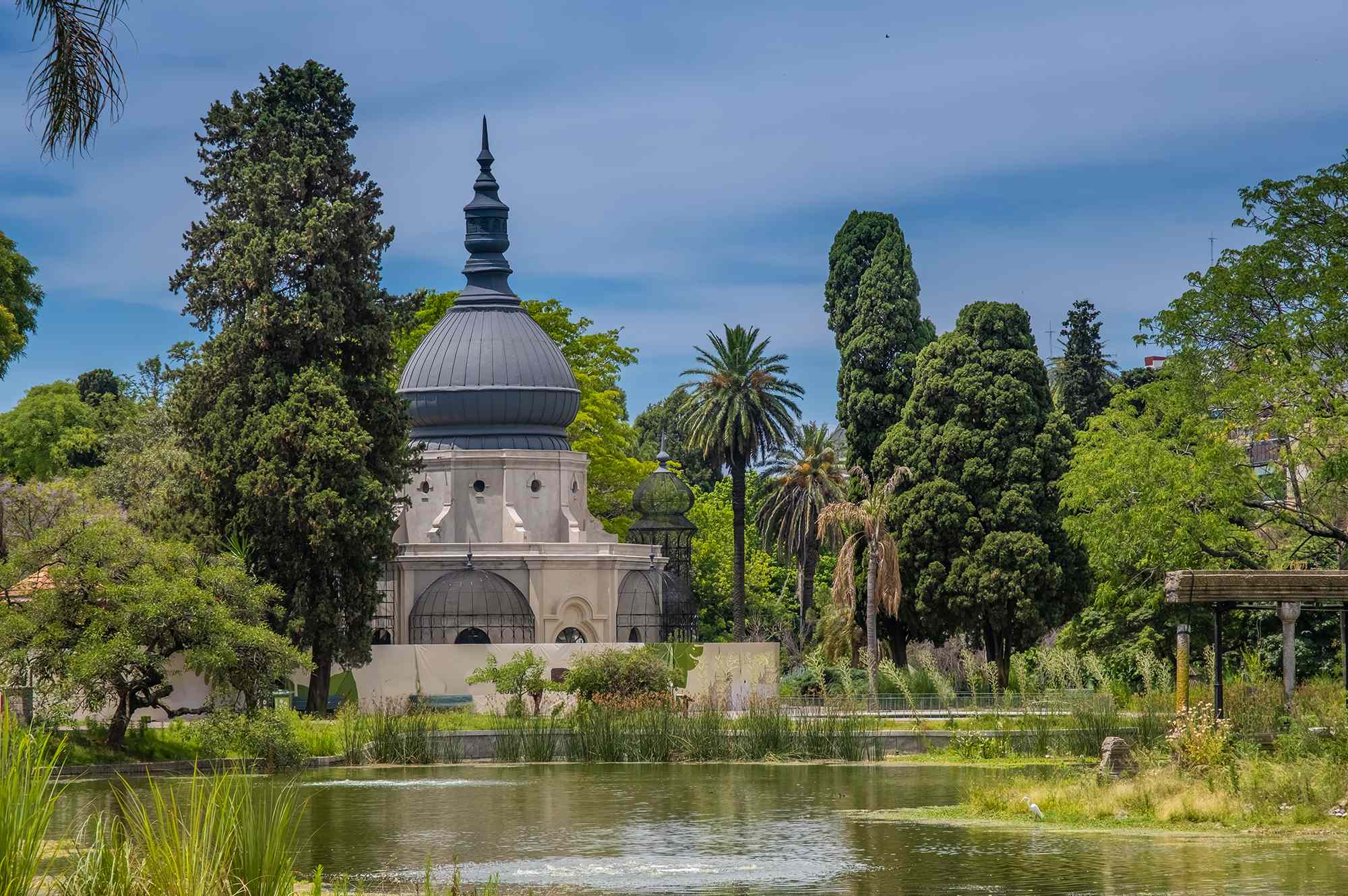
Ecoparque (Ecopark), a conservation area in the Palermo district of Buenos Aires, Argentina.Credit: Leamus/Getty Images
Tucked into the chic Palermo neighborhood of Buenos Aires is a cool eco park where free-roaming animals go about their business as visitors wander the grounds. There, a male peacock may strut past in full display, while groups of Patagonian maras—large, rabbit-like rodents native to Argentina—scurry along the trails.
Built in a former zoo that has since shifted its focus to animal conservation after the city soured on the idea of displaying animals for entertainment, wildlife remains part of the everyday landscape of Ecoparque. But today, the park has helped more than 3,900 animals from across the country.
The park still contains several “exotic animals” that remain from its time as a zoo that can’t be relocated “due to advanced age or a delicate state of health.” This includes hippos and giraffes. But the real stars of the park are the native animals that roam alongside people: maras, peacocks, turtles, and more. The park is also home to several species of butterflies and beautiful gardens anchored by 2,000 examples of trees and shrubs, many of them native to Argentina.
The most important work of the Ecoparque today is done at the on-site animal hospital, which specializes in working with injured wild animals from all over Argentina. The park is also home to the largest animal biobank in South America, The Guardian has reported.
Nestled in the beautiful neighborhood of Palermo, the park offers a nature-filled respite from the bustling city. Ancient trees lean over a pond filled with turtles and ducks, and trails weave in and out of various open-air animal ecosystems.
The architecture of the park buildings are as diverse as the animals themselves. The original zoo first opened in the late 19th century, and the park now features dozens of heritage buildings that are over 100 years old.
There is also a robust slate of programming on offer. Visitors can sign up to be a caretaker for the day, working with the park’s capybaras, meet a crowned eagle up close, step behind the scenes of the park’s impressive veterinarian program, learn how the park rehabilitates birds, and more. And for the littlest visitors, there’s the giant otter-shaped playground to enjoy.
The Ecoparque is located adjacent to Plaza Italia in the heart of the city, and is open from Tuesdays to Sundays, and on public holidays, starting at 11 a.m. The entry fee costs around $15 for adults who are not from Argentina.
on Travel & Leisure
Source: Nature


0 Comments