Pennsylvania says 4 men paid Target and Kohl’s with fake bills, then returned goods for at least $12,436 in real cash
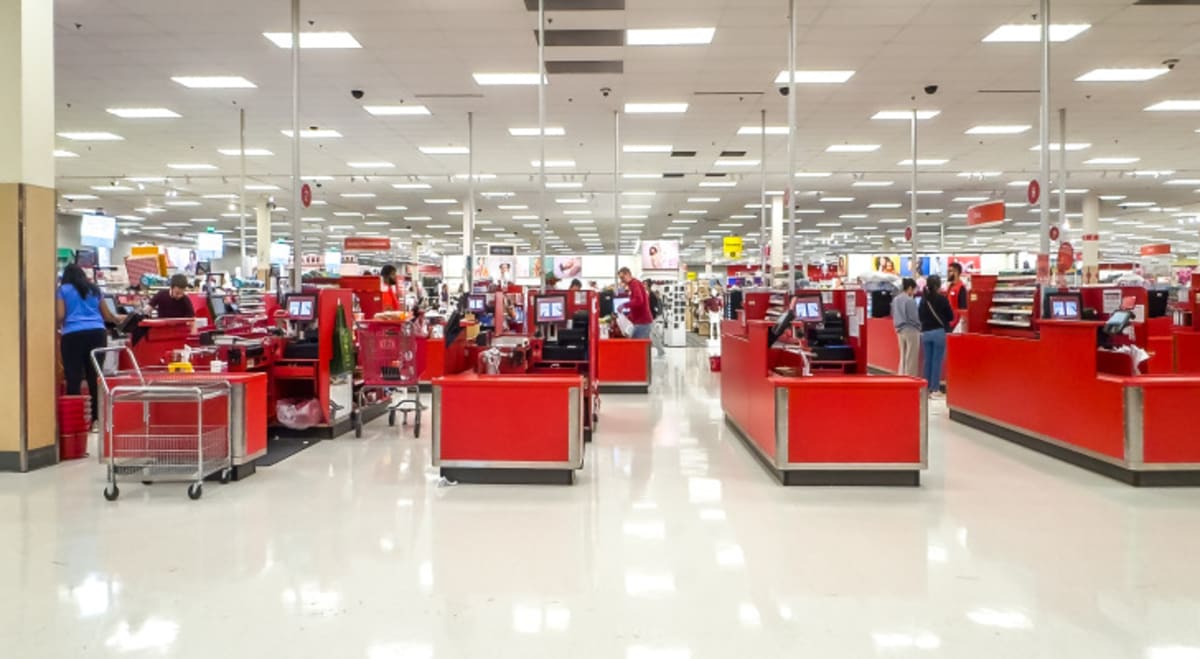
On Nov. 5, Pennsylvania Attorney General Dave Sunday announced that the state was pressing charges against four men following a counterfeiting scheme that netted them tens of thousands of dollars — and they’re suspected of doing this in other states.
The men, who are from New York, allegedly purchased goods at stores such as Kohl’s, Target, Home Depot and Lowes using counterfeit bills and then returned them for real cash.
Must Read
Dave Ramsey warns nearly 50% of Americans are making 1 big Social Security mistake. Here’s what it is and 3 simple steps to fix it ASAP
A single line on your car insurance policy could be inflating your premium by up to 30% — here's what to change
Jeff Bezos backs a platform that lets anyone invest in rental homes for as little as $100 — 6 ways to build wealth like a landlord without actually being one
According to a press release covered by WXPI Channel 11, they profited at least $12,436 through the scheme. They are alleged to have gone to stores across 16 counties in Pennsylvania.
The men haven’t been arrested yet. The investigation into the alleged crimes includes the U.S. Secret Service, along with state police and police departments across municipalities.
How the government identifies counterfeit currency
It might come as a surprise to find out that the Secret Service played a part in a counterfeiting investigation. Today, they’re most commonly known for protecting people like current and former presidents, vice presidents and their families.
But the Secret Service was actually founded in 1865 to combat counterfeit currency. At the time, nearly a third of all money in circulation in the U.S. was counterfeit. The agency only began protecting presidents after the assassination of President McKinley in 1901.
These days, you’re far less likely to ever run into a counterfeit bill. The Federal Reserve estimates that about $15 to $30 million in counterfeit bills are in circulation, out of $2.3 trillion in total circulating cash.
The government uses a wide variety of security features on bills to make them harder to counterfeit (and easier for counterfeits to be detected).
Currency production is split between the U.S. Mint, which handles coins, and the Bureau of Engraving and Printing (BEP), which handles paper currency. The BEP has designed a large number of security features, including ink that changes color depending on the viewing angle and textured printing.
Bills are periodically redesigned with new security features. The BEP is currently preparing a series of redesigns for most U.S. bills (except the $1 and $2 bills). The first new bill will be the $10 bill. Production on the new $10 bill was announced to start in 2026, though the new design has not yet been unveiled.
Skip 6 decades of reading: Get Warren Buffett’s best investing lessons in 1 free guide
What to do if you realize you have a counterfeit bill
Knowing the security features of a real bill can make it easier to notice when you’re handling a counterfeit.
You’re unlikely to come across very many counterfeit bills, but if you do, you should first take note of how you got it.
If you acquired it from an individual, the Federal Reserve suggests writing down information like that person’s license plate number and physical characteristics.
Don’t spend the counterfeit bill — knowingly spending it once you realize it’s fake is a crime. And if you received it as change while shopping, don’t return it to the store where you got it. Instead, the Federal Reserve says, store it separately from any real money you have and contact your local police.
What To Read Next
Here’s the average income of Americans by age in 2026. Are you keeping up or falling behind?
Your Social Security ‘Trump Bump’ in 2027 will be one of the biggest in 25 years — but there’s a serious catch no one’s talking about
Robert Kiyosaki issued grim warning for baby boomers. Many could be ‘wiped out’ and homeless ‘all over’ the country. How to protect yourself now
The tax breaks in Trump's 'big beautiful bill' expire after 2028. Here are 4 moves to make before the window closes
This article provides information only and should not be construed as advice. It is provided without warranty of any kind.
Source: Crime


0 Comments