How Cold Is Too Cold to Walk Your Dog This Winter? Here's What Vets Want You to Know
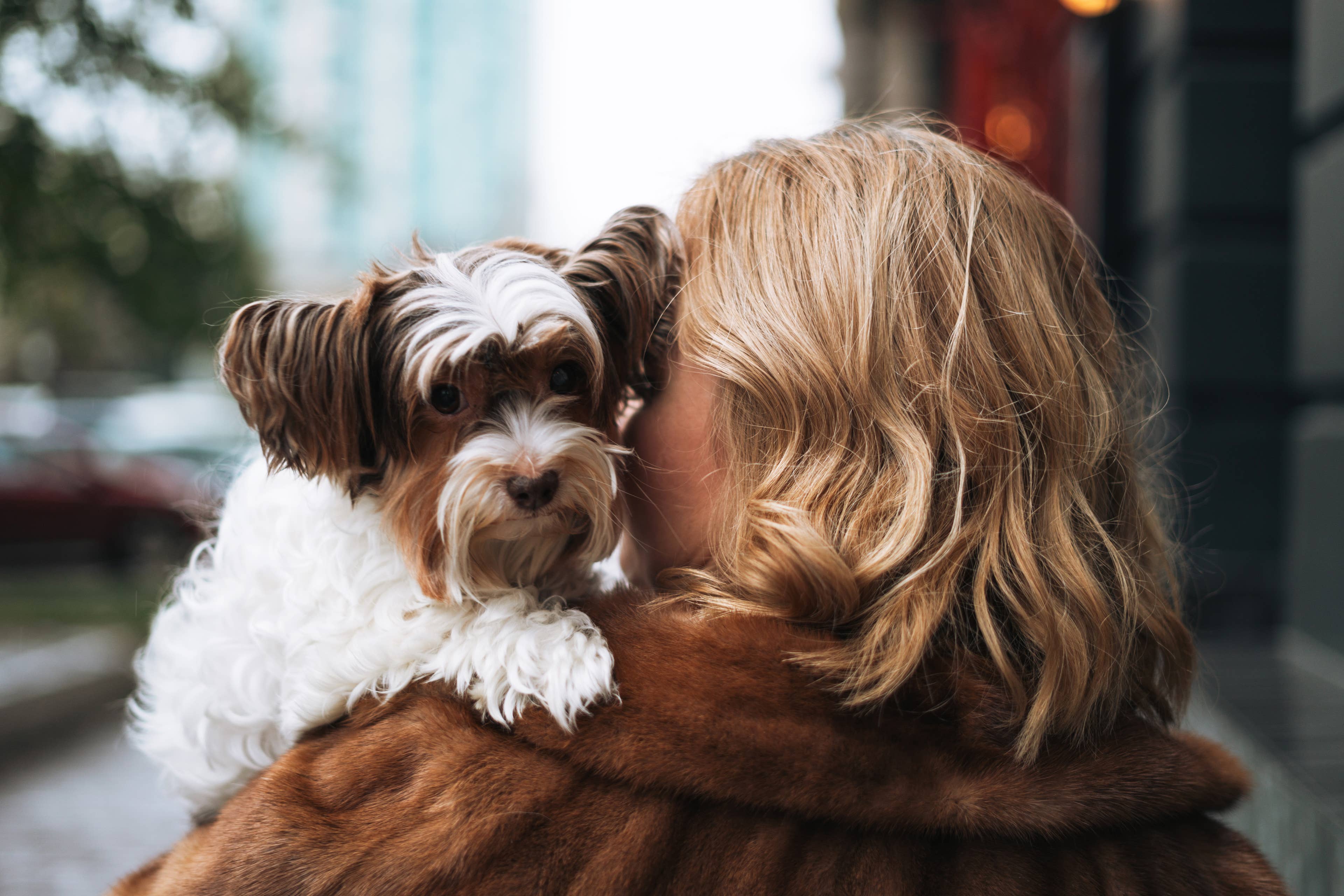
Believe it or not, winter is on its way. Soon enough, the snow will fall, the temperatures will drop and we will be unpacking our winter coats, gloves, boots and other essentials to deal with the cold weather that will be our chilly reality for the next several months. If you’re a dog parent, you also know that means getting out your doggie’s winter gear to help make your daily stroll more comfortable, warm and safe.
That said, no matter how much you bundle up your dog and have them wear their own boots and a coat, there are definitely going to be some days this winter when you need to skip the W-A-L-K for safety reasons. But, exactly how cold is too cold to walk your dog? Do certain factors play a role? How can you know if your dog is freezing and that you should head inside?
🐶SIGN UP to get “pawsitivity” delivered right to your inbox with inspiring & entertaining stories about our furry & feathered friends🐾🐾
To find out more about safe winter dog walking temperatures, we spoke with Dr. Jo Myers, DVM, a veterinarian with Vetster, and Dr. Jamie Paglia, an ER doctor and the medical director at MedVet Pittsburgh. Dr. Myers and Dr. Paglia share the considerations you need to take into account when determining whether or not it’s too cold, signs your dog should head back inside and safe winter dog walking tips.
Safe Winter Walking Temperatures for Dogs
vvvita / Getty Images
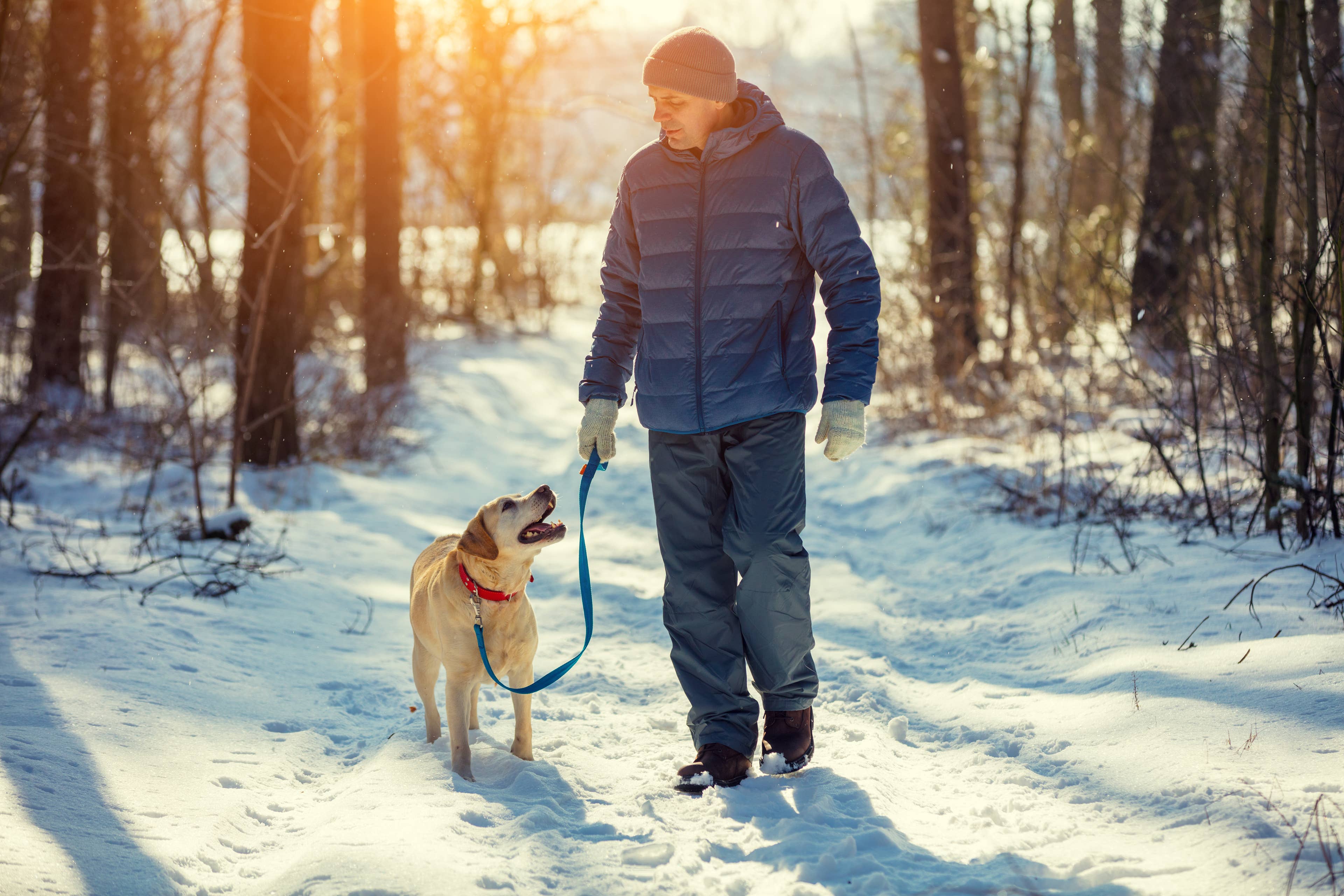
According to Dr. Myers, there’s no exact temperature that’s a no-go for dog walks; it really depends on a variety of different things.
“There’s no single temperature that’s too cold for every dog. It depends on the dog’s size, breed, coat, age, overall health and how accustomed they are to cold weather,” she says. “Wind, moisture and how long you’re outside also make a big difference.”
Dr. Paglia agrees, adding that your pet’s individual vulnerabilities should always be considered. Dr. Paglia also stresses the importance of being prepared for weather-related emergencies.
“Beyond daily vigilance, it’s also wise to prepare for potential emergencies; cold weather storms can lead to power outages, so ensure your emergency kit includes essential pet supplies like extra food, clean water and a warm blanket,” Dr. Paglia says.
Related: How Cold Is Too Cold for a Dog Walk? A Breed-by-Breed Temperature Guide
Signs Your Dog Is Too Cold on a Walk
Moritz Scholz / Getty Images
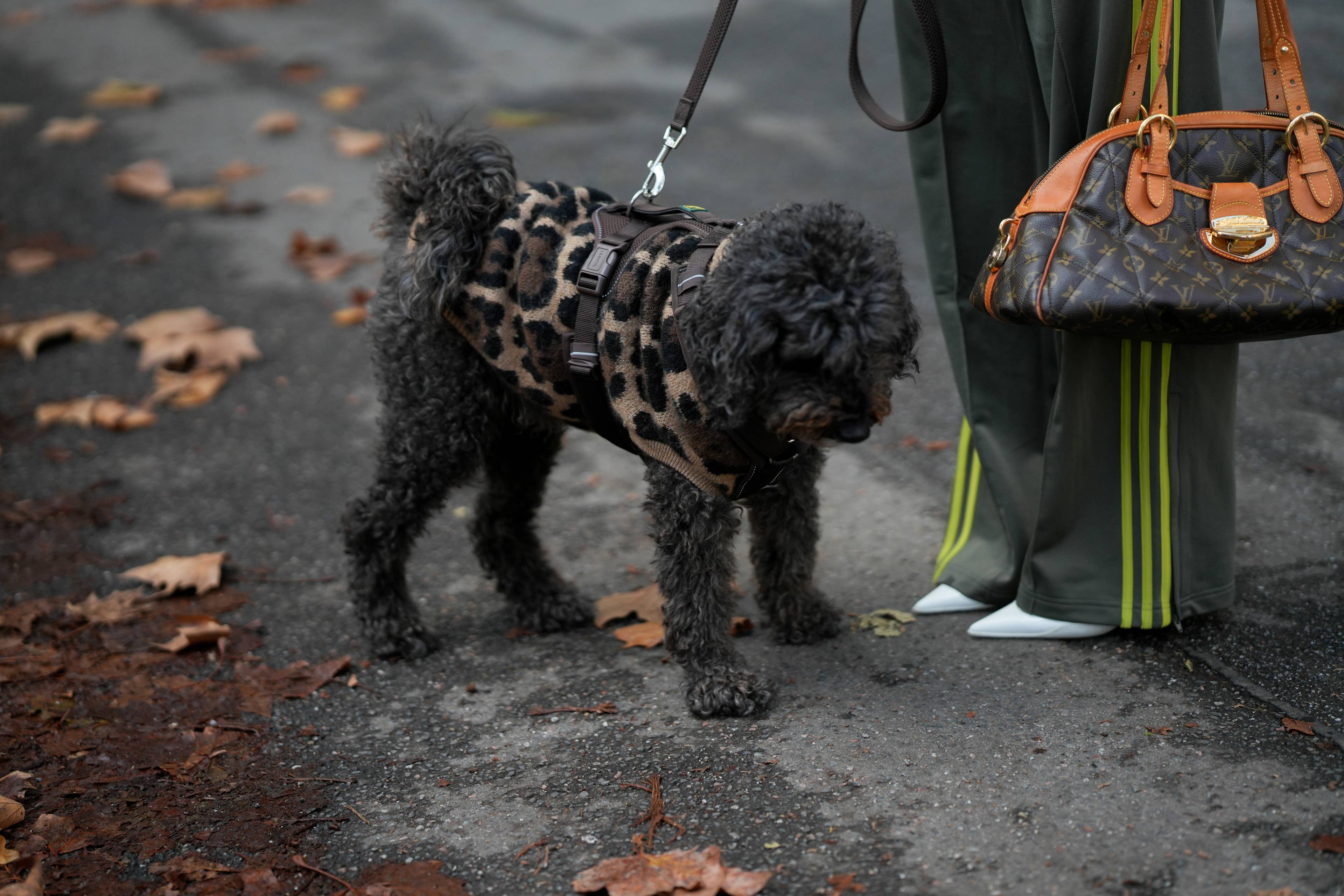
Luckily, if you know what signs to look for, you can get your dog back inside before the cold temperatures become a problem.
“Your dog will often give you clues that they’re uncomfortable before the cold becomes dangerous,” Dr. Myers says. “Watch for shivering, lifting their paws off the ground, slowing down, stopping frequently, hunching their body, tucking their tail or trying to turn back toward home. Some dogs may whine or seek shelter.”
Dr. Myers goes on to say that the big thing to look out for is the lifting of the paws. “Pay particular attention to paw lifting,” Dr. Myers stresses. “Sometimes that’s a sign of cold feet, but it can also mean ice, packed snow or deicing chemicals are irritating their paws.”
It’s also important to know the serious symptoms of a dog being too cold, which can lead to conditions such as frostbite.
“Frostbite occurs when tissue, usually in the ears, tail or paws, freezes. Look for pale, gray or blue skin; coldness to the touch; swelling; or discomfort,” Dr. Paglia says. “If frostbite is suspected, warm the area slowly with lukewarm water, and avoid using hair dryers, heating pads or electric blankets, which can cause burns. Prompt veterinary care is essential.”
More than frostbite, hypothermia is also a concern when a dog gets too cold. “Hypothermia develops when a pet’s body loses heat faster than it can produce it. Signs include violent shivering, lethargy, weak pulse, stiff muscles, slowed breathing or loss of appetite,” Dr. Paglia says. “This is a medical emergency. Bring your pet indoors, wrap them in blankets and seek veterinary care immediately.”
Tips for Safe Winter Dog Walks
Ekaterina Vasileva-Bagler / Getty Images
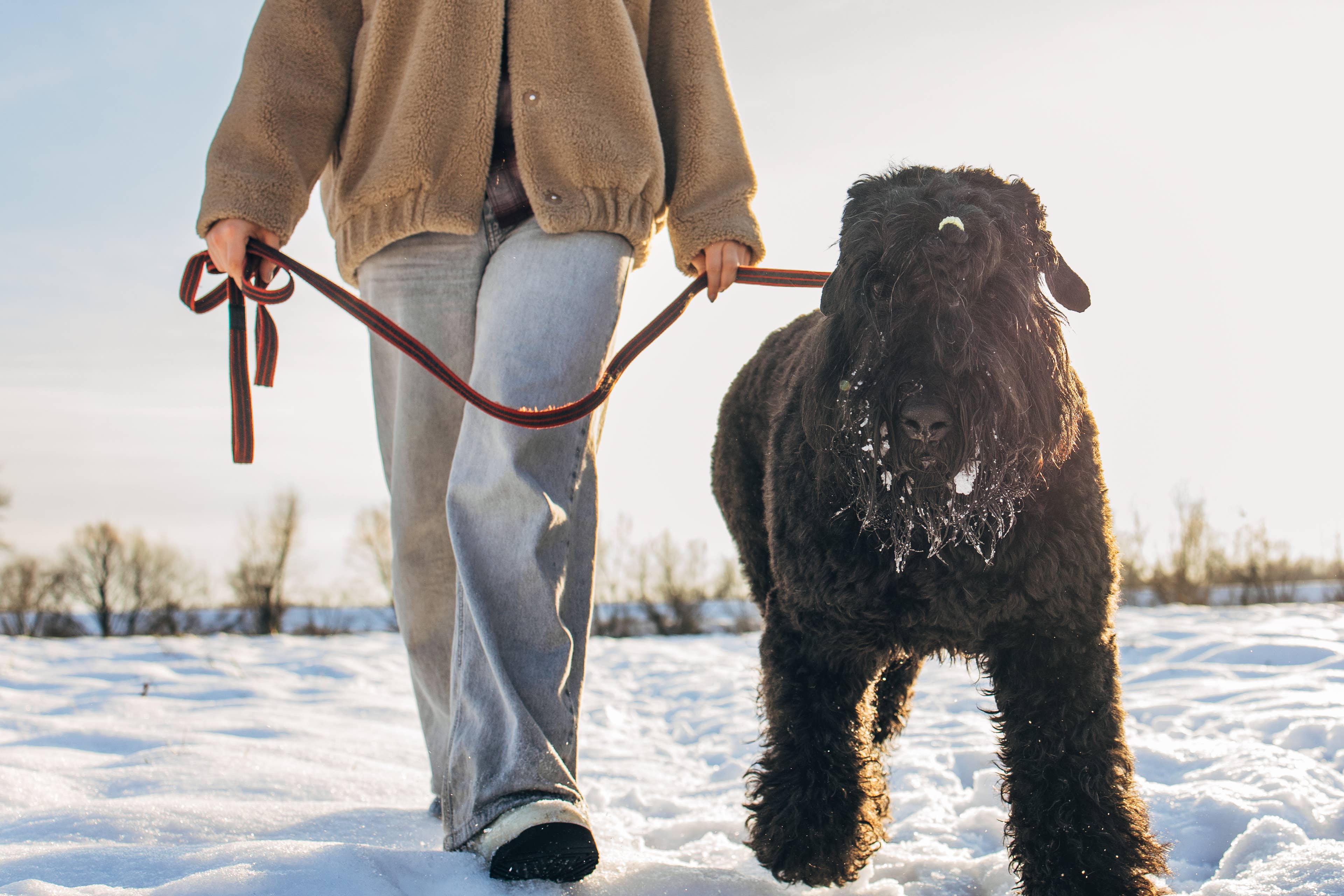
No matter the time of year, safety is your top priority when going for a walk, but some special considerations for walking your dog during the winter include the following:
Watch your dog for signs of discomfort. “Pay attention to their behavior instead of only watching the clock or thermometer,” Dr. Myers says. “On particularly cold days, shorter, more frequent outings may be a better choice than one long walk. If your dog starts showing signs that they’re uncomfortable, it’s time to head inside.”
Pay attention to conditions, not just temperature. “A dry, calm 25-degree day may be much more comfortable than a windy, wet day when it’s 35 degrees,” Dr. Myers explains. “Wet fur reduces insulation, and wind increases heat loss. Be especially cautious when freezing rain, deep snow or icy conditions are involved.”
Remember that frostbite isn’t always obvious. “Frostbite can begin before your dog shows any obvious signs of discomfort,” Dr. Myers warns. “Be especially cautious when temperatures drop below 20°F, although frostbite can occur at higher temperatures, particularly in wet or windy conditions. Pay particular attention to exposed areas like the ear tips, especially in dogs with thinly haired ears. The paws and tail are also vulnerable. Changes in skin color, swelling or pain may not become apparent until after the affected tissue begins to warm up.”
Keep moving, but don’t overdo it. “Activity helps generate body heat, but that doesn’t make dogs immune to cold-related injury. Be mindful of how long you’re outside, especially if your dog is standing around rather than actively walking,” Dr. Myers says.
Protect their paws. “Ice, packed snow and deicing products can all cause problems,” Dr. Myers says. “Dog booties can provide protection if your dog tolerates them. Check between the toes for ice buildup, and wipe or rinse paws after walks to remove salt and other deicing residues. Dry them thoroughly afterward.”
Dress them accordingly. “Some pets benefit from a well-fitted coat or sweater, especially small breeds, short-haired dogs and seniors,” Dr. Paglia says. “Make sure clothing is waterproof and comfortable, so it keeps them warm without restricting movement.”
When in doubt, ask your veterinarian. “If you’re unsure how much cold exposure is appropriate for your dog, especially if they’re very young, elderly or have a health condition, a virtual veterinary appointment can be a convenient way to get individualized advice.” Dr. Myers says. “A veterinarian can help you decide whether your dog needs extra protection, whether their behavior suggests a problem and when an in-person examination is warranted.”
Sources:
Dr. Jo Myers, DVM, is a graduate of the Iowa State University College of Veterinary Medicine. She has more than 30 years of experience. She’s currently a veterinarian at Vetster.
Dr. Jamie Paglia is an ER doctor and the medical director at MedVet Pittsburgh.
Related: Veterinarians Say To Think Twice Before Letting Your Dog Play With Pinecones
This story was originally published by Parade Pets on Oct 30, 2026, where it first appeared in the Dogs section. Add Parade Pets as a Preferred Source by clicking here.
Source: Nature


0 Comments